
-
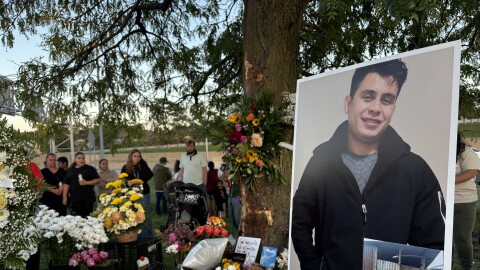 Dustin Dwyer/Michigan Public"We tried lighting a guy up, and he wouldn't stop so we turned our lights off," an immigration enforcement agent told emergency dispatchers.
 -
 David Rodriguez-Munoz/Detroit Free PressMore than 167,000 Michiganders fell off of the Supplemental Nutrition Assistance Program (SNAP) since last summer, in large part, experts say, because of new work rules and more red tape.


-
 Legal fight seeks to block evictions, rent collection in unsafe homes. Landlords warn it could lead to rental market collapse.
 -
 Sumpter Township joins at least four other metro Detroit communities that have cancelled Flock contracts, including Clawson, Ferndale, Westland, and Milford.
 -
 Like other cities, Saginaw has struggled to respond to large pop-up street parties that sometimes end in violence.
 -
 An asylum-seeking mother returned to Venezuela after months in immigration detention. Just weeks after her husband and children joined her, the region where they were restarting their lives was devastated by two of the worst earthquakes in Latin American history.
 -
 Health Hub navigators serve as a one-stop-shop to triage the root causes of chronic absenteeism, such as poor health, unstable housing, and food insecurity.
 -
 Back home after three months in immigration detention, a Colombian asylum seeker named Juan Pablo Quivano said he was worried that his child might not be a U.S. citizen, if the Supreme Court decided to do away with “birthright citizenship.”
 -
 The Michigan Center for Youth Justice received a $1 million grant from the Public Welfare Foundation to lead a statewide coalition focused on reducing youth incarceration.
 -
 The fund provides grants and support to help Black growers purchase land, build infrastructure, and achieve food sovereignty.
 -
 In Michigan, immigrants being held inside detention centers often have no idea of when their cases will be resolved. Dozens have been held for over six months and for some it's been closer to a year. Mental health experts say the uncertainty coupled with the prolonged isolation can take a psychological toll, with the effects often growing more severe the longer a person is detained.
 -
 "Not only was I not aware (of the indictment)” Congresswoman Debbie Dingell said. “But as soon as I saw it, I asked the FBI for a briefing, and they responded that it was an ongoing investigation and they could not (offer a briefing)."


