

Adam Yahya Rayes
Data ReporterLarge sets of numbers add up to peoples’ stories. As Michigan Public’s Data Reporter, Adam Yahya Rayes seeks to sift through noisy digits to put the individuals and policies that make up our communities into perspective.
Adam was born and raised in southeast Michigan and graduated from Western Michigan University in 2019. He returns to Michigan Public about three years after completing an internship at the station.
In the interim, he worked as a Rural and Small Communities Reporter for KUNC in Colorado and then as Statewide Labor and Employment Reporter for Indiana Public Broadcasting.
These roles taught him the power of data to bring seemingly disconnected ideas and groups of people together. He also learned to carefully analyze and present numbers to avoid misleading or misrepresenting anyone.
Adam is excited to be back in his home state. He looks forward to spending more time on the Great Lakes, eating more of the Syrian/Arabic food he grew up with and spending time with family and friends.
-
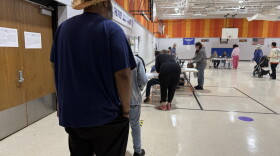 There were a lot of “firsts” and broken records in the 2026 midterm. Turnout data is incomplete, but the numbers show most Michiganders cast votes in the midterm.
-
 Few details were offered as the governor-elect begins putting together a transition team and plan for her first 100 days in office.
-
 Machines allow people with disabilities to use a touchscreen, headphones to hear options, or larger text to make selections easier to read. Most Michigan counties use the same brand.
-
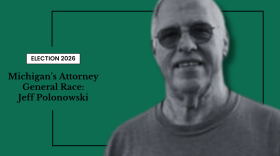 In November, Michigan voters will choose a new attorney general. Jeff Polonowski is the Green Party nominee.
-
 Where do Michigan's 2026 governor candidates stand on rising costs, data centers, and democracy? Compare their responses on key issues facing the state.
-
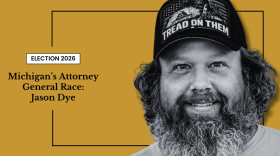 In November, Michigan voters will choose a new attorney general. Jason Dye is the Libertarian Party nominee.
-
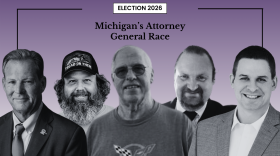 Where Michigan's 2026 attorney general candidates stand on key issues including data centers, utility rates, lawsuits against the federal government and the powers of the office.
-
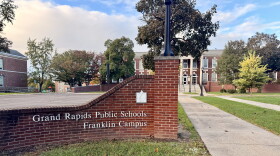 15 candidates are vying for five seats in the 2026 election as GRPS faces challenges in retaining teachers and students.
-
 Police frequently called Border Patrol when drivers were unlicensed. State politicians helped create this dynamic.
-
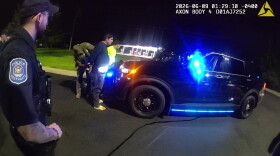 Stopping someone based on their race or language is generally not considered legal. But police can use minor violations, like tinted car windows or jaywalking, to hide their real reasons for stopping people.


