

Sarah Cwiek
Detroit Reporter/ProducerSarah Cwiek joined Michigan Public in October 2009. As our Detroit reporter, she is helping us expand our coverage of the economy, politics, and culture in and around the city of Detroit.
Before her arrival at Michigan Public, Sarah worked at WDET-FM as a reporter and producer.
-
 The state Department of Natural Resources has big concerns about the northern Lower Peninsula because a huge number of trees and tree limbs downed in the March 2025 ice storm have now dried out.
 -
 There are lots of utility-scale battery storage projects in the pipeline across the state, and local governments have to make some quick decisions about how to handle them – often without much guidance.
 -
 Officials with the Great Lakes Water Authority say the new pipe, which replaces the 42-inch one that ruptured in Auburn Hills on Sunday, is holding up well under normal water pressure. But they say the larger system still needs to be flushed, and pressure restored, before water use restrictions can be lifted.
 -
 The case seems likely headed for the U.S. Supreme Court.
 -
 That program gives up to a $1,700 tax credit to people who donate to organizations providing K-12 school scholarships. Public school advocates say it's a backdoor voucher scheme.
 -
 The 2025 edition of Forest Health Highlights from the state Department of Natural Resources outlines how Michigan’s forests faced ongoing challenges from invasive species, climate change, and natural disasters.
 -
 Consumers plans to expand its current network of five utility-owned weather stations to 100 by the end of 2027.
 -
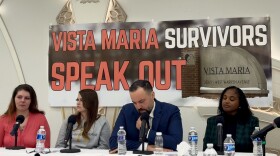 The lawsuit claims that instead of providing safety and protection, staff at Vista Maria in Dearborn Heights regularly committed acts of physical, sexual, and psychological abuse on the girls in their care.
 -
 Compounds from the family of chemicals known as PFAS can suppress the body’s ability to mount a defense against new pathogens—and the effects can last well into adulthood.
 -
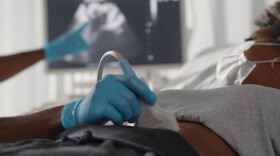 Black women are 3 to 4 times more likely than their white counterparts to die of childbirth-related complications. The disparity is unchanged even when factoring in education and income.


