-
 Twenty-five Great Lakes Water Authority member communities exceeded Michigan’s lead action level since 2018, and experts say authorities need to move faster to protect public health.
 -
 Mayor Sheldon Neeley said he wants to reopen the contract with the Great Lakes Water Authority.
 -
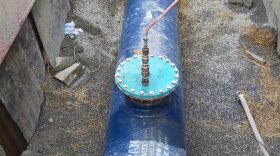 The water is back on in four Metro Detroit communities that were under severe water usage restrictions since Sunday, and the boil water advisories have been lifted.
 -
 A massive 42-inch water transmission line rupture in River Woods Park has forced Auburn Hills to declare a State of Emergency, leaving Oakland County residents under strict water-use restrictions and a mandatory boil water advisory.
 -
 State of Michigan emergency resources are now helping out after a water main broke over the weekend in Oakland County.Officials say a 42-inch water line broke Sunday morning, causing flooding and interrupted service in parts of Oakland County.
 -
 City of Flint leaders say state lawmakers need to act to contain future water rate increases. The bill package would, among other things, ensure that water bills for low-income households do not exceed 3% of that household’s income.
 -
 The Great Lakes Water Authority board approved an average 5.8% increase for water services, while raising sewer rates by just over 4% on average.
 -
 The Great Lakes Water Authority's board voted to increase rates to its wholesale customer communities by the largest margin in years. Water rates will go up nearly 6%, while sewer rates will increase by 4.5% starting in July.
 -
 Metro Detroit residents may see the largest water rate hike in a decade as the Great Lakes Water Authority (GLWA) proposes significant increases to drinking water and sewer rates for fiscal year 2026.
 -
 A 54-inch transmission pipe burst in the early hours of Monday morning, unleashing a torrent of icy water that impacted nearly 400 homes in Southwest Detroit. A number of those residents are still without power or heat, city officials said on Tuesday.

© 2026 MICHIGAN PUBLIC
91.7 Ann Arbor/Detroit 104.1 Grand Rapids
91.3 Port Huron 89.7 Lansing 91.1 Flint
Play Live Radio
Next Up:
0:00
0:00
Available On Air Stations


