

The National Park Service's National Register of Historic Places approved the Mount Pleasant Industrial Boarding School, a Native American boarding school that operated between 1893 and 1934, to be elevated to a site of national significance, according to a press release from the Saginaw Chippewa Indian Tribe.
The site is owned by the Tribe. Marcella Hadden is their interim public relations manager.
"[This] gives us more visibility, and that gives us a broader audience to tell our story about the children who went there, children who didn't make it back, education that we can learn from that, [and] children that we can honor for having to live through those schools," Hadden said.
The National Park Service creates a federal list of places that are significant to national, state, or community history. It is part of a program created by the National Historic Preservation Act of 1966, aiming to find and preserve America's historic sites and artifacts.
The boarding school has been on the National Register, designated as having a state level of significance, since 2018. Hadden says that out of the 2,282 places in Michigan on the National Register, only 144 are designated as having national significance.
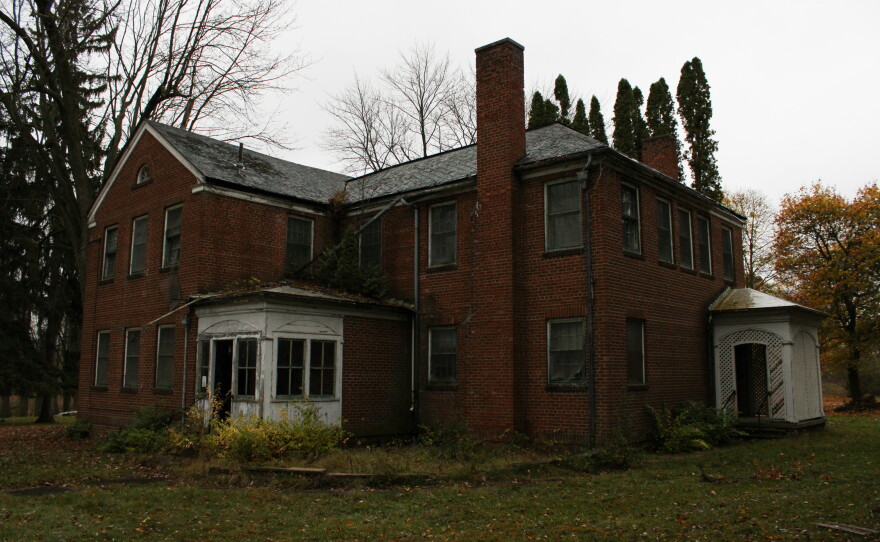
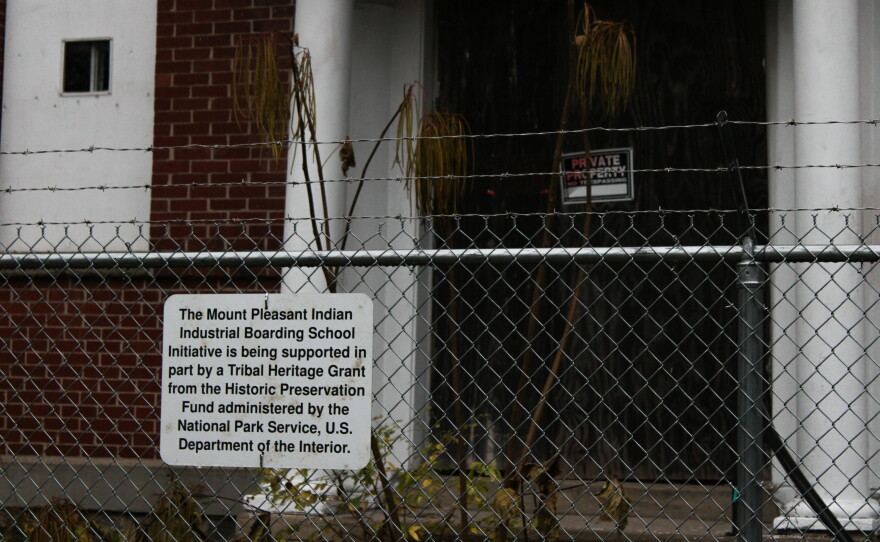
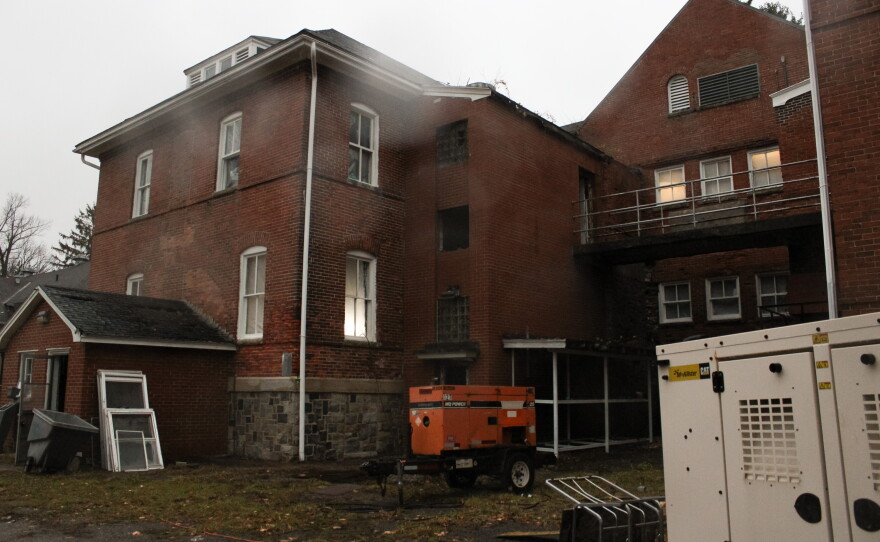
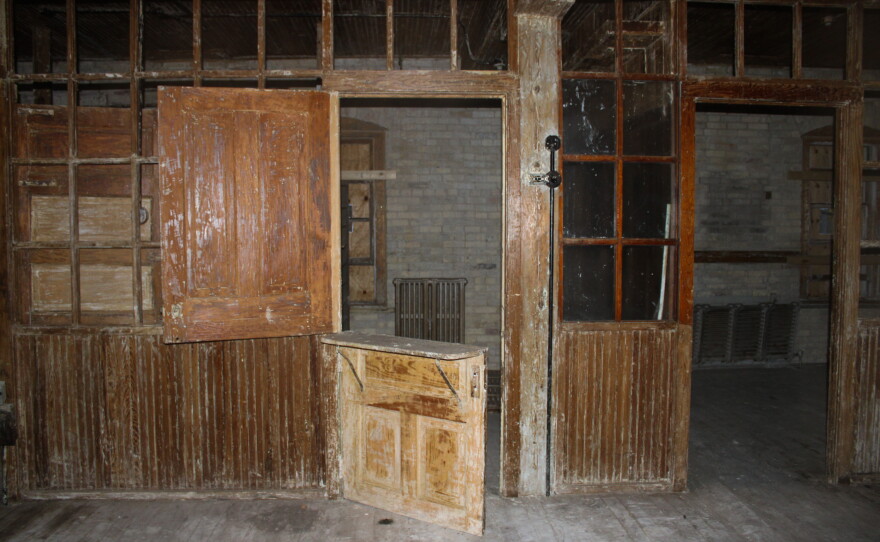
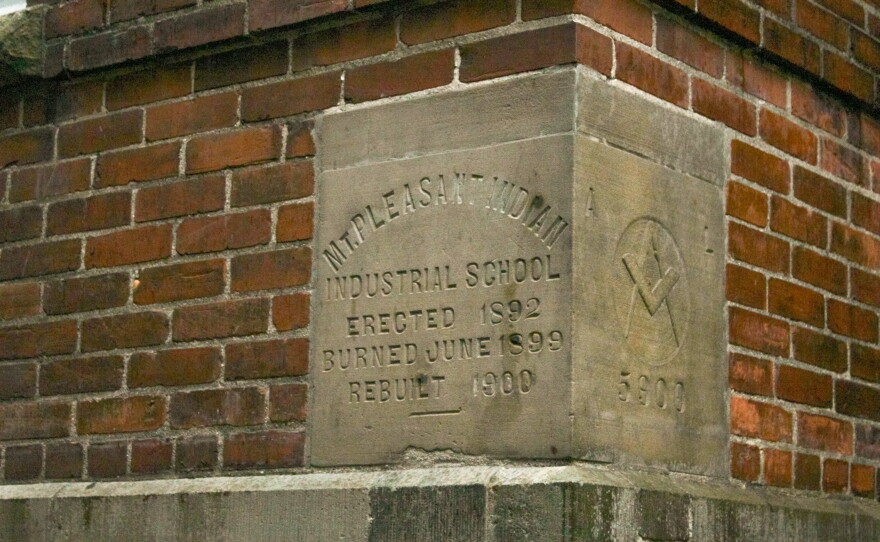
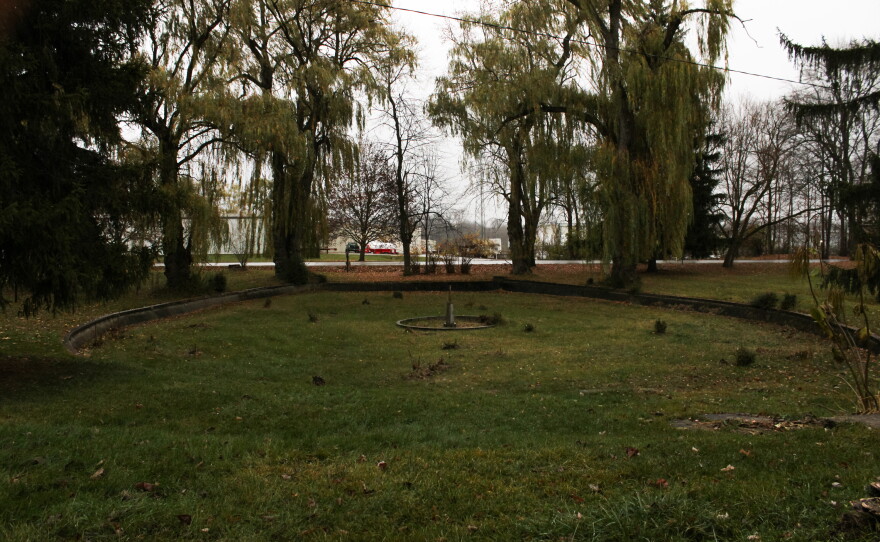
"It will bring more attention to us, bigger awareness, let us just get the message out [about] our efforts to help keep the buildings and the property safe," said Gage Colwell, the Saginaw Chippewa Indian Tribe's tribal historic preservation officer, "while also teaching about the history of it and advocating for the survivors who experienced that."
Native American boarding schools were institutions established by the federal government that emerged in the late 1800s. There were 408 federal schools across 37 states with five in Michigan.
After closing in 1934, the Mount Pleasant boarding school became a mental health facility called The Mount Pleasant Branch of the Michigan Home and Training School, which closed in 2008.
"Children were stripped of their culture and language and beaten, and it was a very horrible, dark place to be."
Six red brick buildings still stand on the 320-acre boarding school grounds. The site is not open to the public.
Colwell says the school was strategically situated by the train tracks, so that Native American children could be delivered via train. The school housed approximately 300 to 375 children every year, ranging in age from toddlers to teenagers.
"There were children coming from out west, out of state, from the different tribes of Michigan and they were just bringing kids in," Colwell said.
In 1928, a report by the Merriam Commission was released called "The Problem of Indian Administration." The report detailed the poor conditions for Native American children in boarding schools, such as overcrowding, lack of food, medical care and unsanitary conditions that led to disease. The report also shed light on the labor children were being forced into.
Colwell said that the children at the Mount Pleasant school were self-sustaining, doing all of the laundry, farm work, and cooking. He said that a student once set fire to the boarding school's laundry room as an act of rebellion.
"One of the reasons why the school closed is because of child labor laws that came out," Hadden said.

In 2022, a federal report was released examining Native American boarding schools. The report described a militaristic system that stripped children of their native languages, religion, and overall culture. Corporal punishment, as well as other physical, sexual, and emotional abuse were common practice.
Gov. Gretchen Whitmer requested a report on Michigan's boarding schools in 2022. The state-funded report was shelved and not released publicly. Bridge Michigan reported that Michigan officials called the research "shoddy," while the Native American firm that conducted the research claimed state officials were "whitewashing" the issue. Bridge obtained a copy of the report, which detailed survivor accounts of physical and sexual abuse, as well as intergenerational trauma.
A 2024 Washington Post investigation found over 3,000 children died in Native American boarding schools across the US, almost three times the federal government's initial estimate. Many burial sites remain undiscovered.
Colwell says the upstairs of the woodshop building will become a room where people can look through student records and potentially find lost family members.
Since the children were forced to change their names, Colwell said, many Native Americans have family members that are unknown to them. Sierra Biidaaban Nadeau, a Michigan author and journalist, told WCMU in an interview about her book What the Ancestors Say that she had inadvertently discovered her great-grandfather attended the Mount Pleasant boarding school while doing research.
The tribe is in the process of revitalizing the property. In 2022, they were awarded a $1.7 grant from the Environmental Protection Agency to clear the buildings of lead and asbestos. The project is estimated to be completed in 2027.
They have also partnered with the University of Michigan's Taubman College of Architecture and Urban Planning to use LiDAR technology to help preserve high-priority buildings on the site through the creation of 3D models. LiDAR, or Light Detection and Ranging, uses laser scanners to create accurate 3D information about natural landscapes and manmade objects.

Hadden and Colwell say they plan to turn the property into a museum to educate people on what happened in the boarding school. They also want to make it a place for Native Americans to heal.
"The effects of Indian boarding schools, where children endured forced genocide, are still felt today. Transforming the MIIBS buildings into a place of healing will assist the next seven generations to overcome intergenerational trauma," Saginaw Chippewa Indian Tribe Tribal Chief Luke Sprague said in the press release.
Every year, the Tribe hosts an Honoring, Healing, and Remembering Event in early June, coinciding with when the boarding school closed. The event has speakers and jingle dress dancers.
"A lot of tribal members, I know, they just want that pain to be acknowledged by people," Colwell said, "and to know that happened and to know that we are doing everything we can to bring honor and heal from that time period."
Copyright 2026 WCMU
