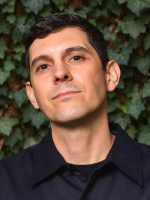
Detroit techno godfather Juan Atkins died over the weekend. He was 64.
Atkins is widely recognized in the music industry, and among fans of the genre, as the originator of Detroit’s techno music. Along with two collaborators - Derrick May and Kevin Saunderson - Atkins formed the roots of the genre in 1983. Together, they were known as the Belleville Three.
Atkins released nine albums of music, first as a part of the duo Cybotron and then under the alias Model 500.
Atkins’ vision for electronic futurism went on to become a global phenomenon.
“It was music born out of technology basically, and produced from all electronic instruments and also computers and sequencers and drum computers and everything that developed out of the technological movement,” Atkins told Michigan Public in an interview in 2015.
Atkins was inspired by futurism and a society that was transitioning from an industrial world to an age of technological growth. He said he believed music should reflect that transformation and even help prepare people for the future.
Growing up in and around Detroit, he saw technology reshaping the auto industry. At the same time, he embraced synthesizers, drum machines, and electronic sounds to imagine what this new world might sound like.
Techno music is now especially popular in many parts of Europe, and is celebrated each Memorial Day weekend at Movement Electronic Music Festival (formerly known as Detroit Electronic Music Festival).
“When it comes to music, specifically electronic music, the atmosphere is unmatchable anywhere else. I mean, Detroit is like no other place in terms of creativity,” Atkins said in 2015.
Tributes to Atkins poured out on social media among Detroit’s musicians and creators. Most notable among them were the two men who, with Atkins, composed the Belleville Three.
“Juan was the originator of Techno, a true visionary who opened the door for so many of us, myself included,” Saunderson said in a statement on his personal Instagram page. “We shared a journey that changed music forever, and I’ll always be grateful for his friendship, guidance and everything he gave to our scene.
“He never mentioned how sick he was for years. He just went out and did his job as best he could,” May said in a video statement on his personal Instagram page. “Respect his legacy, respect the effort, respect the work, respect the accomplishments.”