-
 Michigan's Upper Peninsula might not be the first spot you think of when someone says "volcano," but maybe it should be! Around 1.1 billion years ago, a rift volcano started producing massive amounts of lava in the region. That volcano (with the help of some glaciers around 10,000 years ago) formed some of the Upper Peninsula's most iconic landscapes — including Lake Superior!
 -
 The family‑owned Peterson’s Fish Market and Four Suns Fish & Chips catch, smoke, and serve fresh Lake Superior whitefish, earning a loyal following in Hancock and across the U.P.
 -
 Today, a new episode of "Beyond the Shore." Plus, what funding cuts at NOAA might mean for research being done on the Great Lakes. And, how local governments across Michigan are handling large-scale battery projects.
 -
 Lake Superior's history stretches back more than one billion years. And for some, the connection to the water is reborn every day.
 -
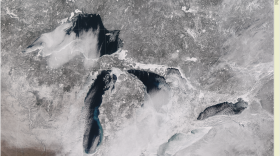 Data from NOAA’s Great Lakes Environmental Research Laboratory show the Great Lakes are covered in ice. Here’s how much, what causes it, and some satellite photos of the coverage.
 -
First, some clarifications on food aid during the government shutdown, followed by one Michigander SNAP recipient's story. Then, a survivor of a fishing boat's capsizing, caused by the same storm which sunk the SS Edmund Fitzgerald, shares his memory of that day. Plus, Michigan Public's On Hand featured a listener's tale of a supernatural encounter.
-
 Long a threat to southern Ontario lakes, climate change is allowing cyanobacteria -or blue-green algae- to thrive in even the coldest of the Great Lakes, Lake Superior.
 -
 A group of swimmers plans to commemorate the 50th anniversary of the Edmund Fitzgerald shipwreck by symbolically completing the ship’s mission.
 -
 A new study shows the Great Lakes are vulnerable to more extreme temperature highs and lows over the decades due to climate change.
 -
 Decades of industrial pollution on Lake Superior has seen stretches of its shore deemed areas of environmental concern for both Canada and the U.S. A massive investment of time and money is letting nature return.

© 2026 MICHIGAN PUBLIC
91.7 Ann Arbor/Detroit 104.1 Grand Rapids
91.3 Port Huron 89.7 Lansing 91.1 Flint
Play Live Radio
Next Up:
0:00
0:00
Available On Air Stations


