-
 If you're planning to fly this holiday season, be prepared to pay more than you did last year. The price of jet fuel — one of airlines' biggest expenses — is close to an all-time high in the U.S.
 -
 Ahead of next month’s midterm elections, we traveled across Southeast Michigan to understand why – for many voters – cost of living is still top of mind.
 -
 Diesel prices hit farmers at harvest time. We heard about what that means for Michigan's agricultural economy. And, an advocate in Michigan State University's community shares observations about sexual assaults on campus.
 -
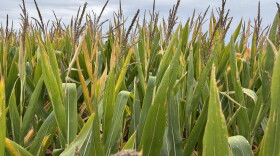 With diesel prices near $6.71 a gallon, Michigan corn and soybean farmers face shrinking profit margins as heavy machinery burns through fuel during fall harvest.
 -
 How are Michiganders feeling about Proposal One on their ballot, that’s the question that would call for a constitutional convention in Michigan. Plus, candidates call for a gas tax suspension.
 -
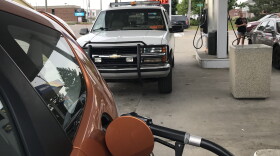 State and federal gas taxes add about 70 cents a gallon to the cost of gas in Michigan. According to AAA Michigan, the price of a gallon of regular unleaded gasoline topped $4.75 on Thursday.
 -
 With the war in Iran driving up fuel prices, diesel is now nearly $5.60 a gallon, affecting school districts at the start of the year.
 -
 Consumer prices in July were up 3.4% from a year ago — a smaller annual increase than in May or June. The news makes it less likely the Fed will feel the need to raise interest rates in September.
 -
The latest about the third death in the past month at the Huron Valley Correctional Facility. A University of Michigan law professor has a new book that argues the U.S.'s democracy is under threat. Listeners share their thoughts on where Up North begins. And, a possible congressional bill would open the door for E15 gas sales with more ethanol and increase the demand for corn.
-
 "At what point does it make sense to ditch a gas car for an EV?" NPR listener Guadalupe Higuera of Phoenix asked this question and worked with Climate Desk reporter Jeff Brady to answer it.

© 2026 MICHIGAN PUBLIC
91.7 Ann Arbor/Detroit 104.1 Grand Rapids
91.3 Port Huron 89.7 Lansing 91.1 Flint
Play Live Radio
Next Up:
0:00
0:00
Available On Air Stations


